


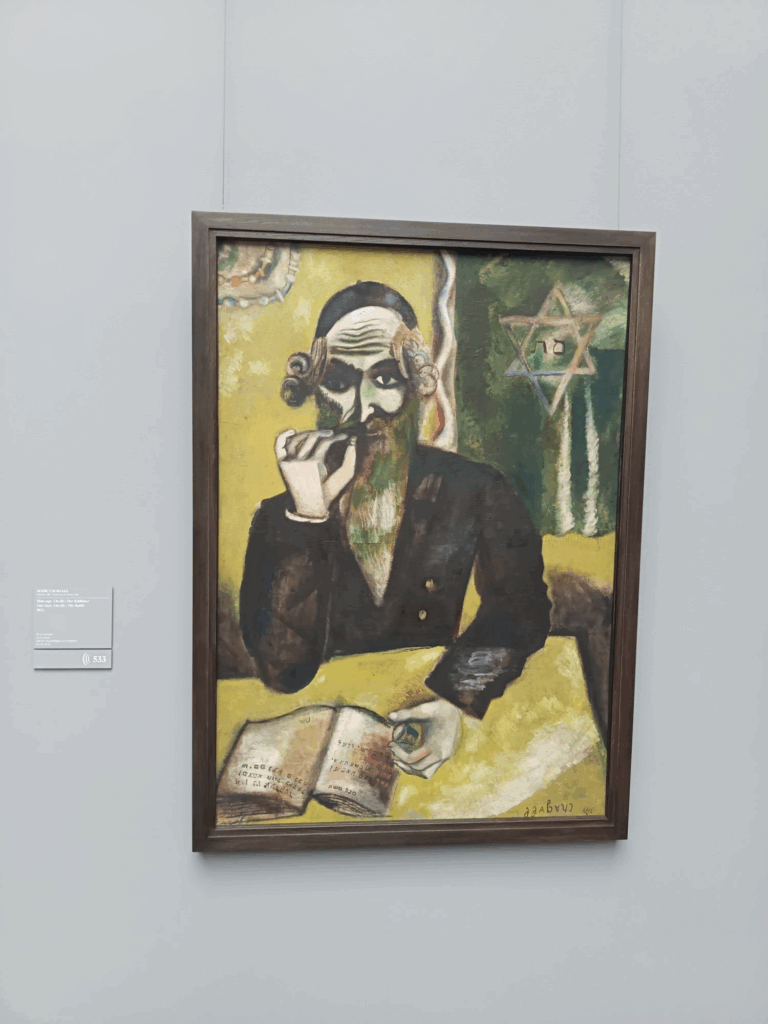
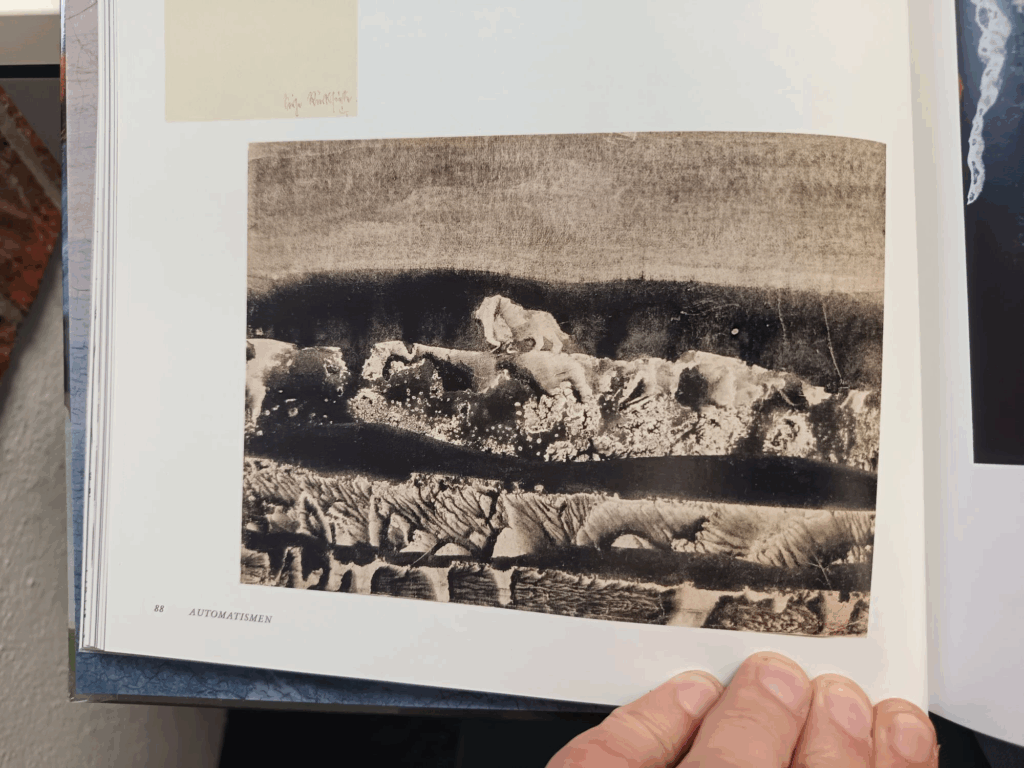
Send your no-poems to l’Oracle: Art@laemmergeier.info
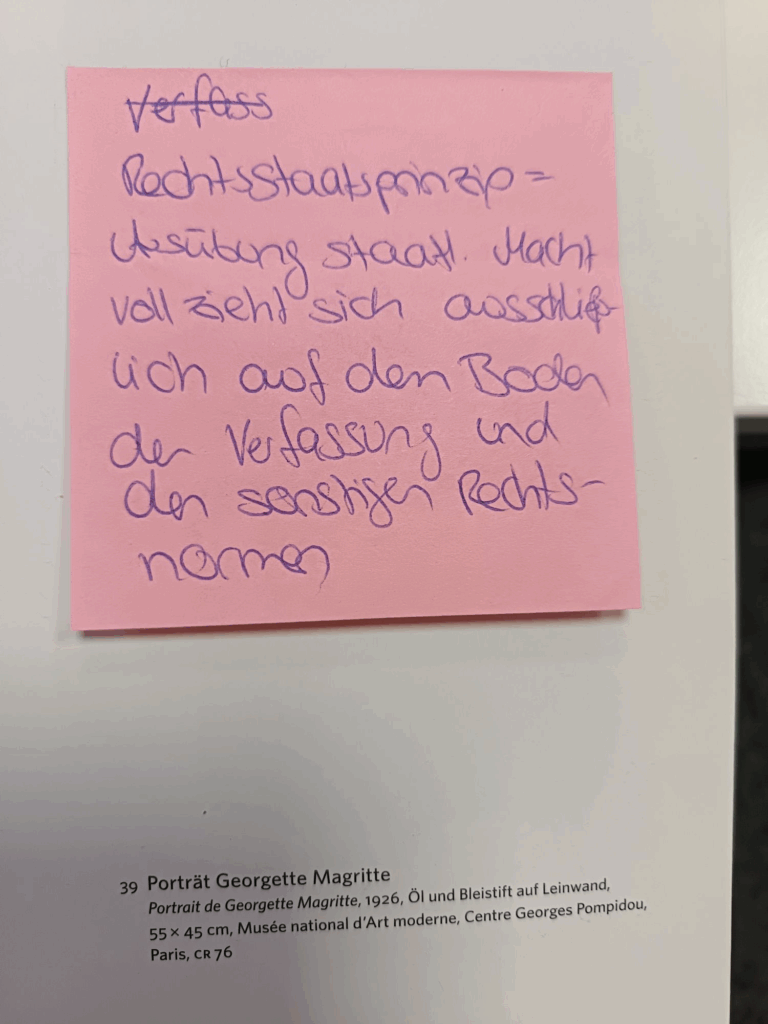
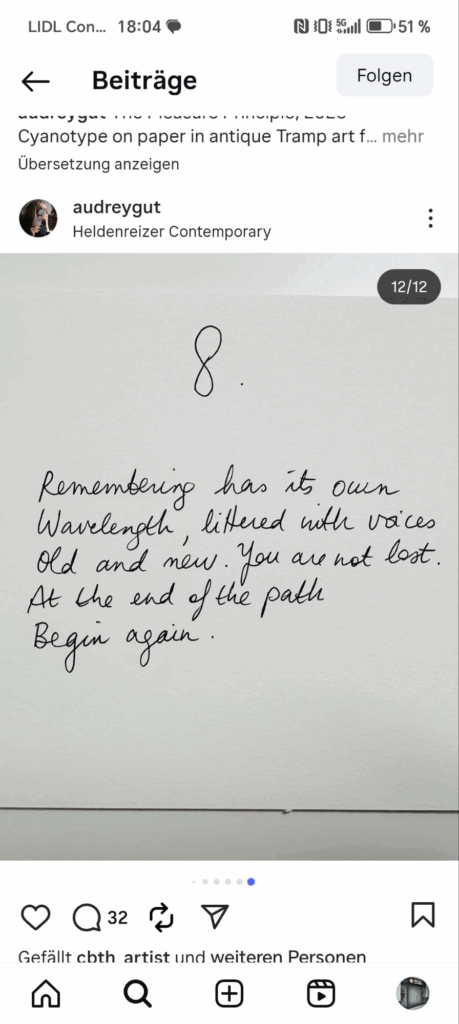
Collected no-poems:
1.
2.
3. „Israel knüpft hier mit weiteren Erkenntnissen aus der Säuglingsforschung an. Das Baby“
4.

5.
„Er hat seit einigen Monaten eine Beziehung zu einer Studentin aus einem fernöstlichen Land. Er liebt sie, aber gleichzeitig ist er unsicher, ob die Beziehung Bestand haben wird. Seine Mutter macht zu Hause eine schwierige Phase durch. Sie hat seit dem Tod des Vaters vor einigen Jahren massive psychische Probleme.
05:37 Vor einigen Monaten wollte er zu einem Seminar in die Universität gehen, aber auf der Fahrt im Bus bekommt er das Gefühl, von einem Mann mit Krawatte beobachtet zu werden. Dies ist ihm so unangenehm, dass er umkehrt und wieder nach Hause geht. Zunächst hat er den Vorfall wieder vergessen, es dann aber doch merkwürdig gefunden, als eben dieser Mann am nächsten Tag wieder im Bus sitzt und ihn abermals beobachtet. Dieses Mal fährt er trotzdem zum Seminar, auch um dem Mann damit zu beweisen, dass er keine Angst vor ihm hat. Doch der Krawattenmann hat seine einmalige Abwesenheit wohl dazu genutzt, um überall schlecht über ihn zu reden. Zumindest ist es auffällig, dass ab diesem Tag seine Kommilitonen immer mehr von ihm distanzieren und hinter seinem Rücken schlecht über ihn zu reden scheinen. Sogar fremde Menschen drehen sich auf der Straße nach ihm um und lachen spöttisch über ihn.
06:50 Zwar ist Herr M. sich anfangs noch unsicher, wie alles zusammenhängt. Allerdings kann er sich immer weniger von dem Gedanken abgrenzen, dass etwas nicht stimmt. Seine innere Anspannung wird immer massiver und er spürt, dass etwas im Gange ist. Einmal mitten in der Nacht beginnt er von der Wand her eine Stimme zu hören, die er nicht recht zuordnen kann. Die Stimme ist erst ein undeutliches Gemurmel, dann immer deutlicher. Sie setzt ihm in den kommenden Nächten zu, beschimpft ihn, sagt, dass er zu nichts tauge, dass er den anderen zur Last falle. Zugleich deutet die Stimme an, dass ihm eine Rolle in gewissen geheimen Machenschaften zukommt. Er sucht die Wände seiner Wohnung ab, reißt sogar die Tapete herunter, um die Quelle der Stimme zu finden. Jemand muss einen kleinen Lautsprecher in der Wand installiert haben. Als er die Stimme auch am Tag und außerhalb seiner Wohnung hört, vermutet er, dass man ihm einen Chip ins Ohr gepflanzt habe, um ihn zu überwachen und zu kontrollieren.
07:32 Er ist Teil einer Verschwörung eines fernöstlichen Geheimdienstes. Seine Freundin habe dort Bekanntschaften. Er steht im Zentrum dieser geheimen Organisation, welche tatsächlich die Fäden in der Weltpolitik zieht. Aus diesem Grund verfolge man ihn und verspreche sich von ihm entscheidende Hinweise für die Lösung der Konflikte und Kriege auf der Welt. Währenddessen gibt es andere geheime Mächte, die ihn auslöschen wollen. Inzwischen ist er so angespannt und ängstlich, dass er kaum noch schlafen, ja selbst kaum noch auf die Toilette gehen kann. Dem Umfeld gegenüber ist er misstrauisch und gereizt, fühlt sich auch von engeren Bekannten bedroht. Insbesondere seine Gedanken kreisen nun um seine Mutter. Er hat sie im Verdacht, an der Verschwörung beteiligt zu sein, fühlt sich von ihr beeinträchtigt, glaubt, dass sie ihn vergiften wollen“
6.
„Such conditions preclude the developmölent of independent juries. They discourage elaborate judicial procedures. And they leave little room for the functioning of independent professional lawyers. With these limitations the judges of a hydraulic society settle legal cases —many of which arise from clashes of proprietary interests, and in countries with a highly commercialized urban life this field of action may become very important indeed. However, even at their rational best, the laws of such countries express a fundamentally unbalanced societal situation. Even if they protect one commoner against the other, they do not protect the commoners—as individuals or as a group—against the absolutist state. Shortly after Bernier had commented on this phenomenon, John Locke did likewise; and his references to Ottoman Turkey, Ceylon, and Tsarist Russia show him aware that the tyrannical variant of judicial procedure, which English autocracy failed to develop fully, flourished unhampered under Oriental despotism.“ (Wittfogel)
7.
„Manifestly, judicial torture is widespread in the hydraulic world. But is it specific? After all, torture had a definite place in Roman law. It appears prominently in late feudal and postfeudal Western legal procedures and in the Inquisition. And it survives today in the third degree methods. All these phenomena must indeed be recognized for what they are. They remind us grimly that human nature is the same every- where and that man succumbs to the corrupting influence of power whenever circumstances permit. Fortunately, the shape of Western institutions kept these inclinations from asserting themselves lastingly [lol]. But the momentum they gained at certain times and in certain places precludes the complacent assumption that what happened under hydraulic governments—and what is happening today in the totalitarian states—cannot happen here.“ (ebenda)