
Send your poems to l’Oracle: Art@laemmergeier.info
Collected poems:
1.
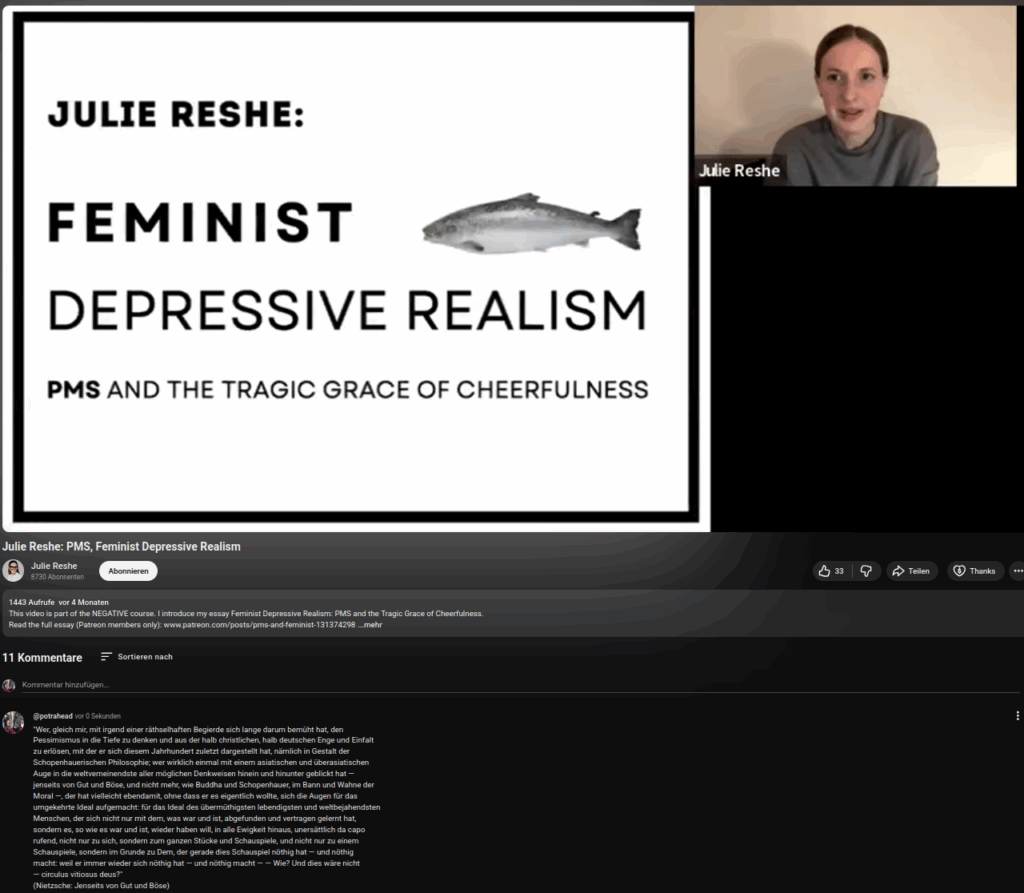
2. „Possibly, a revised negative practice would not concern itself with individuality, personal well-being, or the pursuit of pleasure, but would instead engage with destructiveness and interconnectedness. The involvement of the psychoanalyst and the analysand would not happen with the intention of escaping the call of death but within it. Such a practice could work with the form of its embodiment, at the intersection between destruction and creation. In Spielreinian psychoanalytic practice [du weißt!], the emphasis wouldn’t lie on aiding survival but on involvement in the process of self-dissolution through practising the art of loving and dying.“ (Reshe)
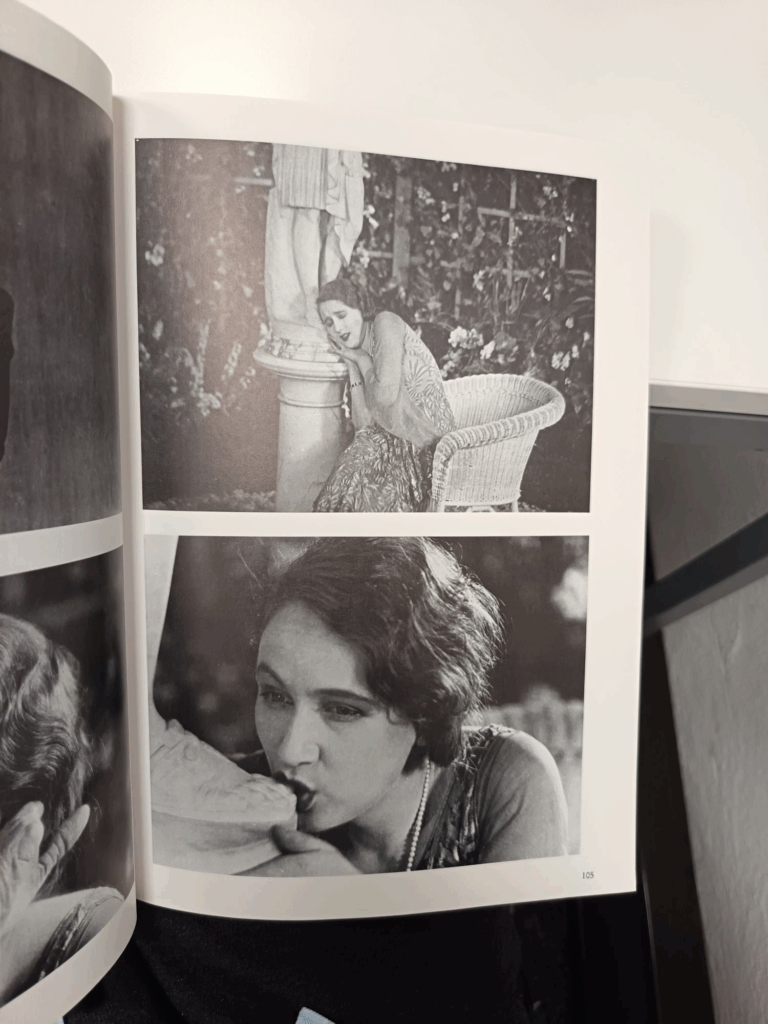
3. „The rectum but also the mouth and the vagina, all penetrable orifices, have the potential to be graves in which „proud subjectivity is buried“ (Wanyoung Kim-Murphy)
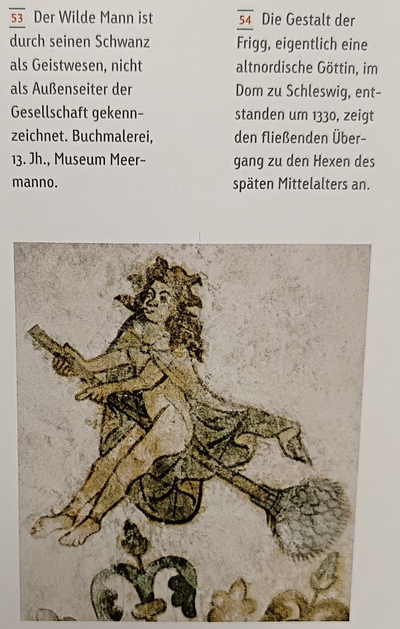
4. „A young girl read stories of witches with great joy; as a child, she often played at being a witch; analysis shows that the witch in the girl’s fantasies represents the mother with whom the girl identifies. For the girl, the stories are pleasurably tinged only in so far as the mother’s life is pleasurable for her. The girl may even choose to emulate her mother’s life. The stories are mere allegories on which the feeling-tone is displaced; they are a substitute for the „desired,“ the life story lived by the mother. The witch stories would not be pleasurable for the girl without the experience of the mother. In this sense, „all passing things“ are only allegories, perhaps of the unknown primal experiences, that seek analogues in the present. Thus, we experience nothing in the present since we project a feeling-tone onto a current Image. (Spielrein, 1994, p. 157)“
5. „(b) Der sadomasochistische Charakter. Es gibt nun auch masochistische Persönlichkeitsstrukturen von weniger hohem Niveau, die wahrscheinlich irgendwo im »mittleren Bereich« unserer kontinuierlichen Reihe einzuordnen sind; ein typisches Beispiel hierfür ist der sogenannte »sadomasochistische« Charakter. Zu dieser Kategorie dürfte wohl auch ein Gutteil der sogenannten »help-rejecting complainers« (Frank et al. 1952) [Patienten, die immer wieder ihre Beschwerden vorbringen, sich aber doch nicht helfen lassen] zu rechnen sein. Manche infantilen Persönlichkeiten weisen ebenfalls solche Züge auf. Masochistische und sadistische Charakterzüge sind hierbei regelmäßig in irgendeiner Form miteinander verquickt, der typische Perfektionismus der Depressiven fehlt, und die sadistischen Triebabkömmlinge manifestieren sich unmittelbarer in impulsiven Charakterzügen. Im Gegensatz zur oben beschriebenen Patientengruppe mit depressiven Persönlichkeitsstörungen von »höherem Niveau« kommen unter den hier beschriebenen Charaktertypen mitunter auch Borderline-Patienten vor.“ (Kernberg)
6. „In love, one adopts the manifold mannerisms of the other; likewise, their inclinations and disinclinations, their enjoyments as well as their fears; one even assumes new enemies out of courtesy! Most importantly, one sacrifices a large portion of one’s enjoyment, and grants partial ownership of it to the beloved. The beloved, therefore, grows immensely in strength for it now possesses the key to either gratification or frustration, neither of which readily lend themselves to moderation in a satisfactory manner; the moderation of enjoyment is perhaps the Sisyphean task par excellence for one, like a pendulum, tirelessly swings between absence and excess. For this reason, the other, whom one loves, is always at once the person whose warm touch turns most readily into a frozen blow.“ (Peter Prosen)
7. „Daran schloss der US-amerikanische Neurologe Beard mit seiner Diagnose der »Neurasthenie« an, welche Nervenkrankheiten auf bedrohliche gesellschaftliche Faktoren wie[…]die zunehmende geistige Aktivität von Frauen zurückführte.“
(Juliane Hummitzsch, Hyperaktivität & Erregungsüberschüsse)
8. „Als erste zeitliche Sexualäußerung führt er das Wonnesaugen oder Lutschen an, das bei fast jedem Säugling zu beobachten ist – am eigenen Finger, an der Mutterbrust oder an der Flasche, ohne dass dabei Nahrungsaufnahme das Ziel ist. Dieses Saugen führe entweder zum Einschlafen oder zu einer motorischen Reaktion, die einem Orgasmus ähnelt.“ (Hummitzsch)
666.
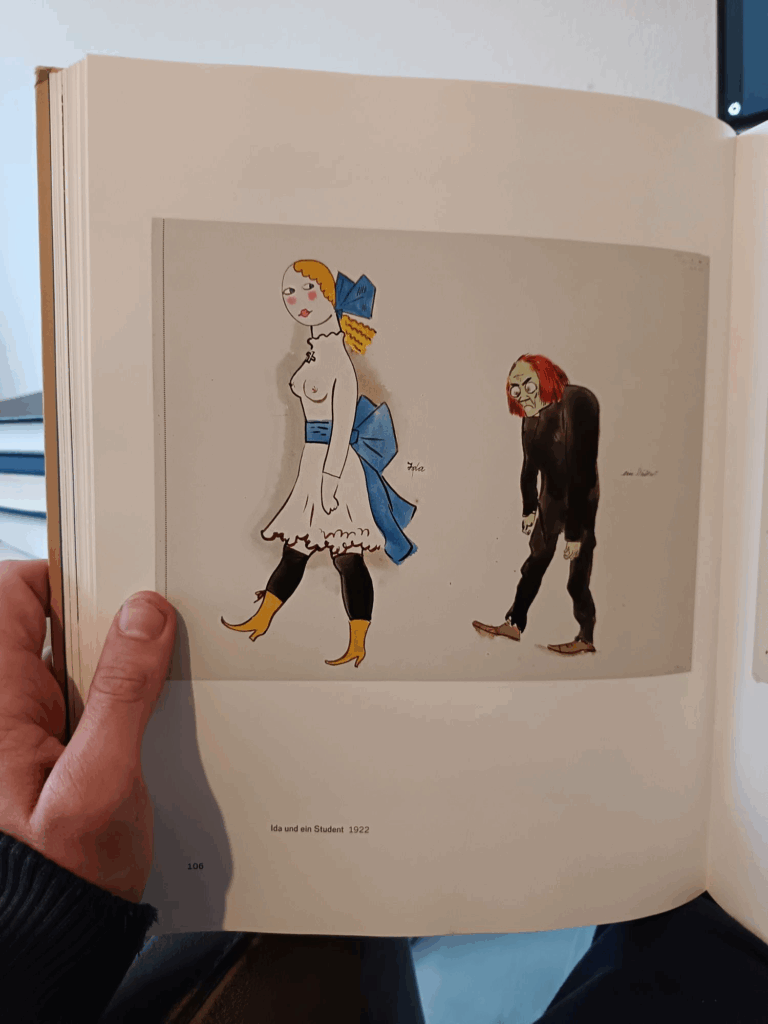
„All children endeavor to experience the world with their eyes, their hands, and more intimately their mouths and stomachs: but at the awkward age, the girl takes particular pleasure in exploring what is indigestible and repugnant. Very often, she is attracted by what is “disgusting.” One of them, quite pretty and attractive when she wanted to be and carefully dressed, proved really fascinated by everything that seemed “dirty” to her: she touched insects, looked at dirty sanitary napkins, sucked the blood of her cuts. Playing with dirty things is obviously a way of overcoming disgust; this feeling becomes much more important at puberty: the girl is disgusted by her too-carnal body, by menstrual blood, by adults’ sexual practices, by the male she is destined for; she denies it by indulging herself specifically in the familiarity of everything that disgusts her. “Since I have to bleed each month, I prove that my blood does not scare me by drinking that of my cuts. Since I will have to submit myself to a revolting test, why not eat a white worm?” This attitude is affirmed more clearly in self-mutilation, so frequent at this age. The girl gashes her thigh with a razor, burns herself with cigarettes, cuts and scratches herself; so as not to go to a boring garden party, a girl during my youth cut her foot with an ax and had to spend six weeks in bed. These sadomasochistic practices are both an anticipation of the sexual experience and a revolt against it; girls have to undergo these tests, hardening themselves to all possible ordeals and rendering them harmless, including the wedding night. When she puts a slug on her chest, when she swallows a bottle of aspirin, when she wounds herself, the girl is defying her future lover: you will never inflict on me anything more horrible than I inflict on myself. These are morose and haughty initiations in sexual adventure. Destined to be a passive prey, she claims her freedom right up to submitting to pain and disgust. When she inflicts the cut of the knife, the burning of a coal on herself, she is protesting against the penetration that deflowers her: she protests by nullifying it. Masochistic, since she welcomes the pain caused by her behavior, she is above all sadistic: as autonomous subject, she beats, scorns, and tortures this dependent flesh, this flesh condemned to submission that she detests but from which she does not want to separate herself. Because, in all these situations, she does not choose authentically to reject her destiny. Sadomasochistic crazes imply a fundamental bad faith: if the girl indulges in them, it means she accepts, through her rejections, her future as woman; she would not mutilate her flesh with hatred if first she did not recognize herself as flesh. Even her violent outbursts arise from a situation of resignation. When a boy revolts against his father or against the world, he engages in effective violence; he picks a quarrel with a friend, he fights, he affirms himself as subject with his fists: he imposes himself on the world; he goes beyond it. But affirming herself, imposing herself, are forbidden to the adolescent girl, and that is what fills her heart with revolt: she hopes neither to change the world nor to emerge from it; she knows or at least believes, and perhaps even wishes, herself tied up: she can only destroy; there is despair in her rage; during a frustrating evening, she breaks glasses, windows, vases: it is not to overcome her lot; it is only a symbolic protest. The girl rebels against her future enslavement through her present powerlessness; and her vain outbursts, far from freeing her from her bonds, often merely restrict her even more.“ (Beauvoir)